
small light up makeup mirror
Understanding Thread Angle Gauge A Essential Tool for Precision Engineering In the world of manufacturing and precision engineering, the accuracy of threaded components is pivotal. When it comes to ensuring that screws, bolts, and nuts fit together seamlessly, one tool stands out for its importance the thread angle gauge. This instrument, often overlooked, plays a critical role in maintaining quality and consistency in mechanical assemblies, particularly in industries ranging from automotive to aerospace. What is a Thread Angle Gauge? A thread angle gauge is a specialized tool designed to measure the thread angle of various fasteners. Most threads follow standard profiles, which typically fall into specified angles, such as 60 degrees for unified threads and 55 degrees for metric threads. The gauge allows engineers and machinists to verify that the threads on a fastener conform to these standards, ensuring that they will fit properly with corresponding components. Why is Thread Angle Important? Thread angle is integral to the performance of a threaded fastener. An incorrect angle can lead to misalignment, reduced load-bearing capacity, and ultimately, mechanical failure. When parts are produced to incorrect specifications, the costs can be significant, not only in terms of rework and waste but also in potential safety hazards. Therefore, measuring the angle accurately is crucial for applications that rely on precise engineering. Types of Thread Angle Gauges There are several types of thread angle gauges, each with its specific use case thread angle gauge 1. Digital Thread Gauges These high-tech devices offer precise readings and can often store measurement data for later analysis. They are ideal for high-volume production environments where consistency is key. 2. Mechanical Thread Gauges These traditional gauges utilize physical scales or templates and are often easier to use in field conditions. They are reliable and provide quick assessments without the need for batteries or electronic components. 3. Go/No-Go Gauges This variation helps quickly determine if a part meets dimensional standards. If an angle is within the Go range, the part is acceptable; if it falls into the No-Go range, it fails inspection. How to Use a Thread Angle Gauge Using a thread angle gauge is straightforward but requires attention to detail. First, select the appropriate gauge based on the thread specifications. Place the gauge onto the threaded component, ensuring it is securely seated within the grooves. Read the angle indicated on the gauge. If using a digital gauge, ensure you have properly calibrated it before measuring. Regular use of a thread angle gauge in quality control processes can significantly enhance product reliability. It is advisable for engineering teams to incorporate these gauges into their standard operating procedures, particularly for critical applications where thread integrity is paramount. Conclusion The thread angle gauge may seem like a simple tool, yet it embodies the complexities of precision engineering. As industries continue to push the boundaries of technology and efficiency, ensuring that components fit together perfectly requires meticulous attention to detail. By employing a thread angle gauge, manufacturers can uphold quality standards, minimize failures, and enhance the safety and reliability of their products. As such, this unassuming tool is not just an accessory in the workshop; it is an essential component of modern engineering's commitment to excellence.
about
small light up makeup mirror
Understanding Flow Control Valve Prices Key Factors and Insights Flow control valves are essential components in various industries, including oil and gas, water treatment, HVAC systems, and many manufacturing processes. These valves regulate the flow of fluids, ensuring that systems operate efficiently and safely. Given their critical role, understanding the factors that influence flow control valve prices is vital for businesses and engineers alike. In this article, we will explore the key determinants of flow control valve pricing, market trends, and tips for making informed purchasing decisions. Key Factors Affecting Flow Control Valve Prices 1. Material Composition The materials used in the manufacturing of flow control valves significantly impact their price. Common materials include stainless steel, brass, and various plastics. Stainless steel valves tend to be more expensive due to their durability and resistance to corrosion, making them suitable for harsh environments. On the other hand, plastic valves may be cheaper but are often limited to less aggressive applications. 2. Type of Valve The specific type of flow control valve also plays a crucial role in determining its price. Common types include globe valves, ball valves, butterfly valves, and gate valves, each offering different flow characteristics and operational capabilities. For instance, ball valves are generally more costly due to their design, which allows for quick shut-off and minimal pressure drop. 3. Size and Pressure Rating Larger valves that can handle higher pressure ratings are typically more expensive. As the size and capacity of the valve increase, so does the complexity of manufacturing and the cost of materials. Valves designed for high-pressure applications require stringent testing and adherence to safety standards, further driving up costs. 4. Automation and Features Many modern flow control valves come equipped with advanced features such as actuators, positioners, and smart technology for remote monitoring and control. These additional functionalities can significantly increase the price of the valves. While automated valves offer convenience and efficiency, businesses must weigh the cost against the potential gains in operational efficiency. 5. Brand and Manufacturer Reputation The reputation of the manufacturer can also influence pricing. Established brands with proven reliability and quality often command higher prices compared to lesser-known manufacturers. While opting for a cheaper, less recognized brand may reduce initial costs, it can lead to higher maintenance costs and premature failures in the long run. 6. Market Trends and Economic Factors The pricing of flow control valves can fluctuate due to changes in market demand, supply chain disruptions, and economic conditions. For example, during periods of increased industrial activity, demand for valves may rise, leading to higher prices. Conversely, a downturn in the economy can result in decreased demand and lower prices. flow control valve price Market Trends in Flow Control Valves In recent years, there has been a noticeable trend towards the adoption of smart technology in flow control valves. The integration of IoT (Internet of Things) features allows for real-time monitoring and data analysis, resulting in improved efficiency and maintenance. However, these advanced valves often come with a higher price tag. Sustainability is another driving force in the market, with many manufacturers focusing on producing eco-friendly and energy-efficient valve solutions. This shift may increase upfront costs but can result in long-term savings through reduced energy consumption and environmental impact. Making Informed Purchasing Decisions When purchasing flow control valves, it's essential to consider not just the price, but also the total cost of ownership. Factors such as installation, maintenance, and energy consumption should be taken into account. Businesses should evaluate their specific needs and requirements, as well as seek quotes from multiple suppliers to ensure competitive pricing. Additionally, conducting thorough research on manufacturers and their product offerings can help identify reliable options that strike a balance between quality and cost. Investing in high-quality valves may yield higher upfront costs but can save money in the long run through reduced maintenance and downtime. Conclusion Understanding the factors that influence flow control valve prices is crucial for making informed purchasing decisions. By considering aspects such as material, valve type, size, automation features, and market trends, businesses can navigate the complexities of the valve market effectively. Ultimately, investing time in research and evaluation will lead to selecting the right flow control valve that meets operational needs while staying within budget constraints.
-

High quality industrial productsagement

High quality industrial products
View Details -

Meet the diverse needs of customers

Meet the diverse needs of customers
View Details -

Strict quality control

Strict quality control
View Details -

Top raw materials

Top raw materials
View Details -

Trusted supplier

Trusted supplier
View Details
Our application



news and information

water gate valve types
Water gate valves, often underrated, play a crucial role in managing water flow across various syste
Water Control Valves_ Essential Components for Fluid Regulation
When it comes to fluid management systems, water control valves are indispensable for ensuring effic
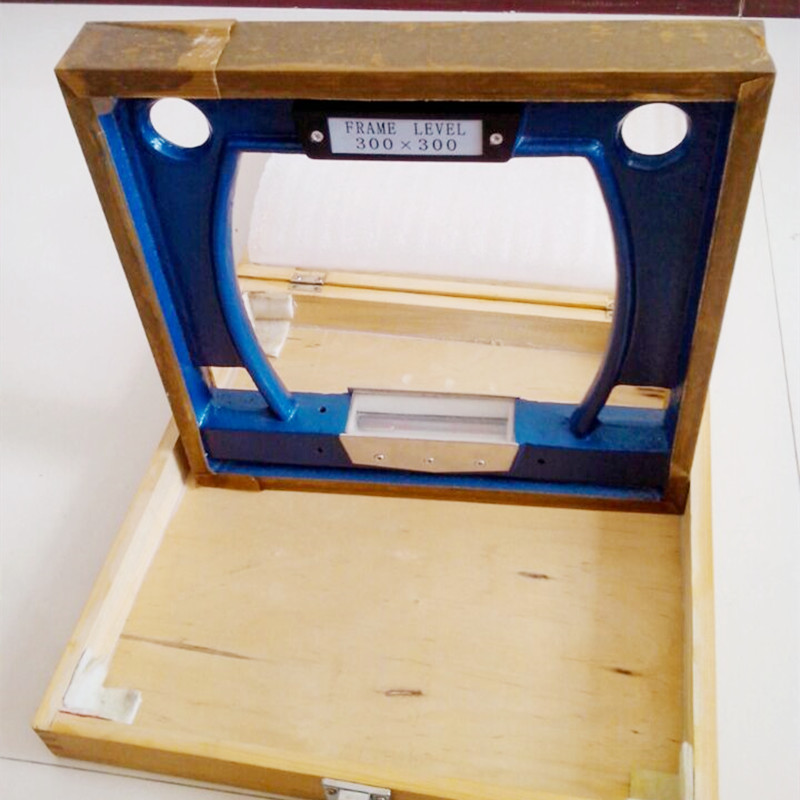
Welding Table Cast Iron Heat Resistance
In the realm of welding, the welding table serves as a crucial foundation for all operations. Among
 English